A bee-autiful day for food production in Europe: three harmful pesticides receive Europe-wide ban
A bee-autiful day for food production in Europe: three harmful pesticides receive Europe-wide ban
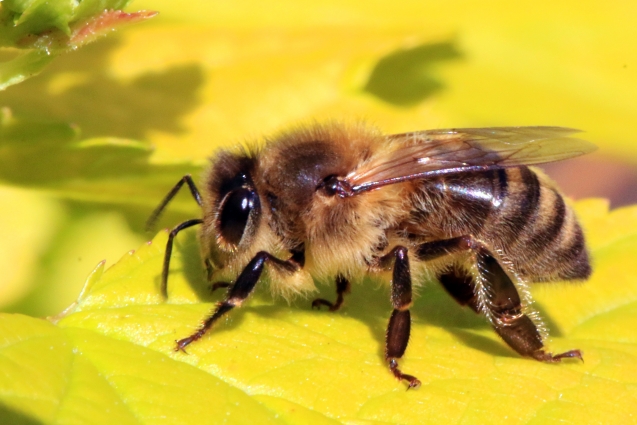
Brussels, 2 May 2013 – Euro Coop views the recent vote on the ban of the use of three neonicotinoids on flowering crops throughout Europe as an extremely positive, and important step in the fight to stop honeybees from disappearing.
The European Commission’s proposal to ban these pesticides came after the European Food Safety Authority deemed them to pose a “high acute risk” to pollinators in terms of exposure to dust in several crops such as maize, cereals and sunflower; to residue in pollen, and to nectar in crops like oilseed rape and sunflower. The report can be read here: http://bit.ly/ZuVo5Q.
Following a vote amongst Member States on 15 March which failed to reach a majority either way, on 29 April 15 voted in favour of the ban which, under EU rules, means that the European Commission is free to make the decision itself. The ban will thus enter into force on 1 December 2013 and will initially last two years.
Euro Coop welcomes the European Commission and Member States’ recognition that bees are critically important for the environment – sustaining biodiversity by providing essential pollination for a wide range of crops. Furthermore, studies by the Food and Agriculture Organisation of the United Nations estimates that of the 100 crop species that provide 90% of food worldwide, 71 are pollinated by bees.