What does Europe’s new direction mean for consumers and co-operatives?
What does Europe’s new direction mean for consumers and co-operatives?
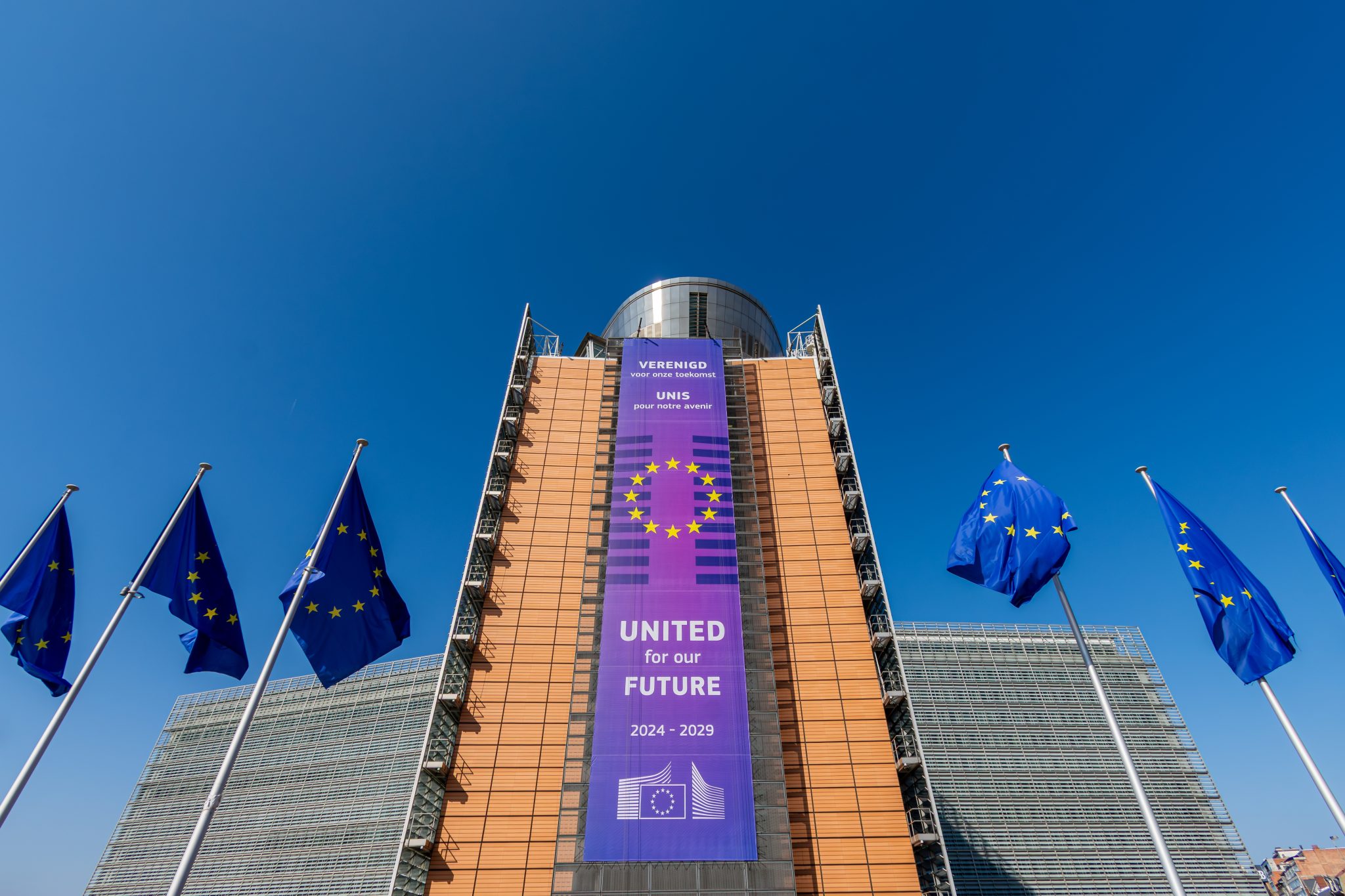
The 2026 State of the Union comes at a defining moment for the European Union. Faced with a more uncertain geopolitical environment and growing economic pressures, the European Commission is placing competitiveness, security and Europe’s capacity to act at the centre of its agenda.
In her State of the Union address on 16 September, EU Commission President Ursula von der Leyen presented a vision of a stronger and more independent Europe, with priorities ranging from completing the Single Market and strengthening European industry to reinforcing defence, reducing strategic dependencies and supporting Europe’s capacity to respond to global challenges.
These priorities will also shape the debate around the EU’s next long-term budget. The proposed Multiannual Financial Framework (MFF) for 2028–2034, worth almost €2 trillion, is intended to provide the financial means to deliver on many of these ambitions.
For Euro Coop, however, the discussion is not only about how Europe becomes more competitive or resilient. It is also about what kind of economy this transition should build — and whether consumers, communities and co-operative enterprises are fully recognised as part of it.
Competitiveness that delivers for consumers
A stronger European economy ultimately needs to deliver for the people who participate in it and depend on it.
The EU Commission’s competitiveness agenda places particular emphasis on completing the Single Market, reducing barriers and simplifying the regulatory environment. For consumers, a well-functioning Single Market should translate into tangible benefits: access to affordable and quality products, meaningful choice, strong consumer protection and resilient supply chains.
This is particularly important in food retail, where consumers experience directly the effects of economic, environmental and geopolitical pressures.
Competitiveness should therefore not be considered separately from affordability, sustainability and consumer welfare. A resilient European economy is one that can provide people with reliable access to essential goods while supporting businesses that create value in Europe.
Resilience starts with the real economy
The current European debate increasingly links competitiveness with resilience and strategic autonomy. This is also reflected in the discussion on the future EU budget. For the food system, resilience means more than the capacity to produce food. It also depends on diversified supply chains, viable rural areas, innovation, biodiversity and the ability of businesses and communities to adapt to changing circumstances.
Consumer co-operatives are part of this ecosystem. By operating directly in local markets and maintaining long-term relationships with consumers, producers and communities, consumer co-operatives contribute to the resilience of the food system while keeping economic activity rooted in the territories where they operate.
This connection between competitiveness, sustainability and territorial resilience is increasingly important as Europe considers how to strengthen its economic sovereignty.
The MFF: turning priorities into investment
The proposed 2028–2034 MFF will be one of the main tests of how Europe’s new priorities are translated into action.
The EU Commission’s proposal puts significant resources behind competitiveness, research and innovation, while also maintaining major investment in agriculture, cohesion and regional development. It proposes new National and Regional Partnership Plans intended to bring different sources of EU funding together and make investment more flexible and coherent.
For Euro Coop, the question is how these changes will affect the businesses and communities that are expected to contribute to Europe’s resilience and prosperity.
Euro Coop has already joined Cooperatives Europe in calling for a future EU budget that recognises the contribution of co-operatives to competitiveness, social cohesion, rural development and sustainable growth. The position also calls for meaningful involvement of co-operatives and social economy organisations in the management of EU funds, improved access to finance and continued support for social and territorial development.
Co-operatives have a place in Europe’s competitiveness agenda
The debate about Europe’s competitiveness is often framed around investment, technology, infrastructure and industrial capacity. But competitiveness also depends on who owns economic activity, where value is created and how that value is retained.
This is an area where the co-operative model has a distinctive contribution to make. Consumer co-operatives combine economic activity with member ownership, participation and strong links to communities. In food retail, they can help strengthen local economies, support more resilient supply chains and connect economic performance with the interests of consumers.
This perspective is also reflected in the wider co-operative movement’s recent work on Europe’s economic sovereignty. Cooperatives Europe and CECOP, with the support of Euro Coop and Rescoop.eu, has highlighted how co-operative ownership can help ensure that value created in Europe remains within European communities and economies. Recognising these models does not mean choosing between competitiveness and sustainability. Rather, it means considering how the two can reinforce each other.
Keeping consumers at the centre
The direction of European policy is evolving in response to a rapidly changing world. Competitiveness, security and resilience are legitimate and increasingly urgent priorities. But the success of this new European agenda will ultimately be measured by its impact on people’s lives.
For consumers, this means whether Europe can deliver affordable, safe and quality products, meaningful choice and resilient supply chains. For communities, it means whether investment strengthens local economies and social cohesion. And for co-operatives, it means whether Europe’s economic and funding frameworks recognise the contribution of business models that combine competitiveness with democratic ownership, participation and long-term value creation.
As discussions on the 2028–2034 EU budget continue, these questions should remain part of the conversation.
A stronger and more resilient Europe will not only depend on how much it can produce or invest. It will also depend on the kind of economy it chooses to build — and on ensuring that consumers, communities and co-operative enterprises have a meaningful place within it.